


How to Identify a Genuinely Good Bridal Lehenga Shop in Lucknow

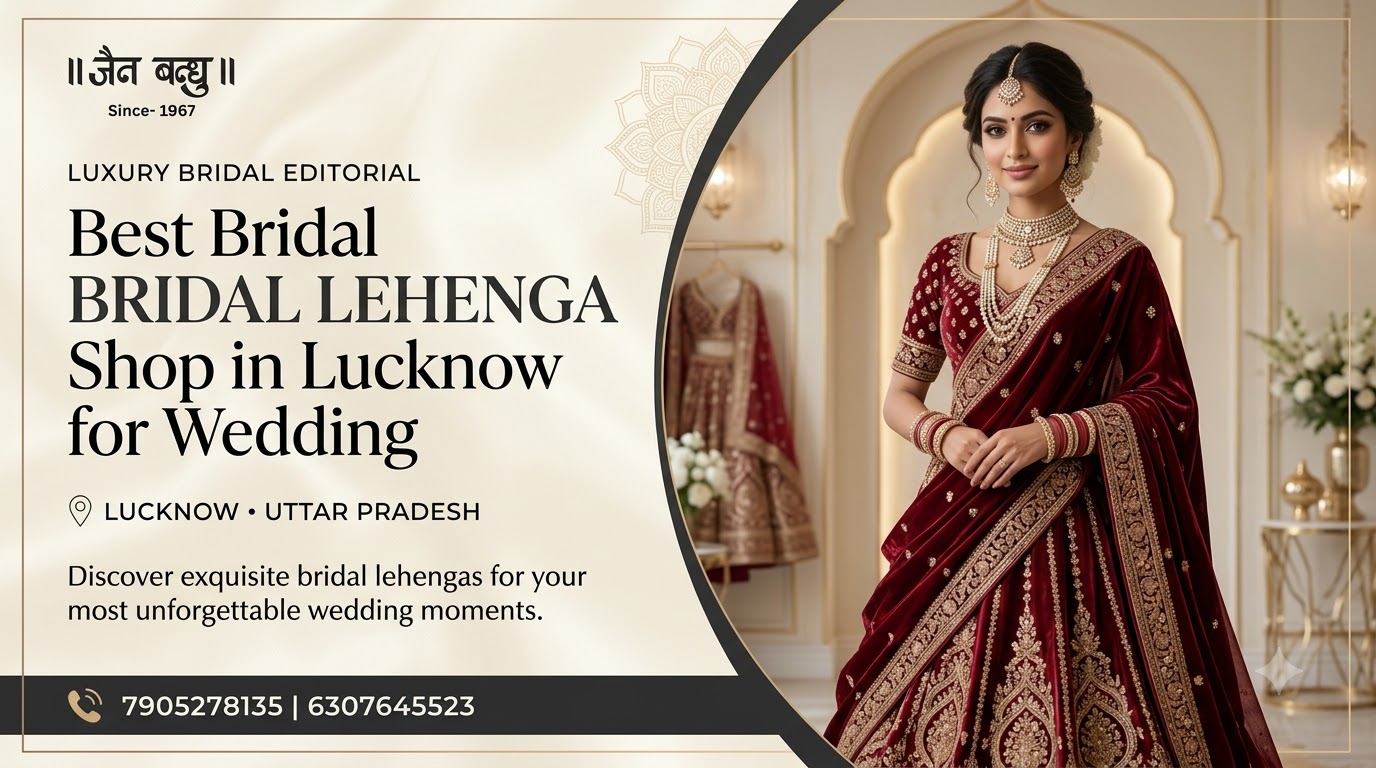
Every bride wants her wedding lehenga to feel special, but recognizing genuine craftsmanship versus a well-marketed but average piece isn’t always straightforward, especially if this is your first time shopping for bridal wear. This article focuses specifically on the signals that separate a best lehenga shop in Lucknow from an average one, so you can walk into any store with a clearer idea of what to actually look for.
Why Craftsmanship Recognition Matters
Lucknow’s identity in the textile world rests heavily on hand embroidery traditions — Chikankari, zardozi, gota-patti, and aari work — each requiring years of skill to execute well. A shop’s reputation as a best lehenga showroom in Lucknow is usually built on consistent access to these skilled artisans, not just on having a large inventory or an attractive storefront.
Understanding this distinction helps buyers avoid a common trap: assuming that a bigger shop or a flashier display automatically means better quality.
Signals of Genuine Craftsmanship
Stitch Consistency
Run your fingers gently along an embroidered section. Hand embroidery, done well, feels raised but even, without loose threads or visible knots on the reverse side. Rushed work often shows irregular spacing between stitches, particularly in zardozi and dabka detailing.
Fabric Behavior Under Movement
A good bridal lehenga should hold its shape and volume without feeling stiff or overly heavy when you walk in it. Ask to move around the trial room, not just stand in front of a mirror — this reveals a lot about how the fabric and lining have been constructed.
Finishing on the Inside
Turn the lehenga inside out if the shop allows it. Clean interior seams, proper lining, and neat finishing at the waistband are strong indicators of a workshop that pays attention to details buyers don’t immediately see but will feel during a long wedding day.
What Experience-Backed Shops Look Like
Shops that have operated for years in one locality tend to develop closer working relationships with embroidery workshops, which often translates into better quality control and more consistent turnaround. Jain Bandhu Saree Showroom in Lucknow, located at Daliganj Bazar, is one such example — an established retail name in the area that has built its bridal and ethnic wear catalogue over years of operating within the local textile ecosystem, rather than sourcing centrally from unfamiliar suppliers.
This kind of grounded, locally-rooted experience is part of what buyers should weigh when comparing a best bridal lehenga shop in Lucknow for wedding day wear against a newer or less established option.
How National Chains Approach Quality Differently
Chains like Taneira, backed by the Tata Group, and regional retailers such as Rama typically rely on centralized quality control processes across their store network, which ensures a baseline consistency but can sometimes mean less variation and fewer opportunities for hands-on customization compared to a locally rooted workshop relationship. Both approaches have merit — the chain model offers predictability, while a local, experience-driven shop often offers deeper craftsmanship insight and more room for individual attention.
Questions That Reveal a Shop’s Expertise
A genuinely knowledgeable shop should be able to answer these clearly, without vague or evasive responses:
- What embroidery technique is used on this specific piece, and roughly how long did it take to complete?
- Is the fabric sourced locally, or brought in from weaving clusters like Varanasi?
- What kind of lining or interior support is used for heavier embroidered sections?
Shops confident in their craftsmanship, including many operating in Daliganj Bazar’s retail cluster, are usually happy to walk you through these details, since it reflects genuine product knowledge rather than a scripted sales pitch.
The Role of Trust in Bridal Shopping
Trust is arguably the most important factor in this entire process, since bridal wear purchases often happen months in advance and involve a fair amount of upfront commitment. A best lehenga shop in Lucknow with price transparency, clear communication about delivery timelines, and a willingness to explain their craftsmanship rather than just their pricing tends to earn repeat business and referrals — which is ultimately how most established local shops build their reputation over time.
Comparing Options Before You Decide
It’s genuinely useful to compare at least two or three best lehenga shops in Lucknow before finalizing a purchase, ideally including one from the wholesale segment, one established local showroom, and possibly a chain outlet for reference pricing. This comparison process reveals not just price differences but also differences in craftsmanship explanation, trial room service, and overall shopping experience.
Where the Wholesale Market Fits In
For buyers who want to see raw craftsmanship before it’s fully finished, the wholesale lehenga market in Lucknow, concentrated around areas like Chowk and Aminabad, offers a more transparent look into how embroidery and fabric choices affect the final price. This can be a useful comparison point even if you ultimately purchase from a retail showroom, since it builds a better baseline understanding of what different craftsmanship levels should cost.
A Practical Checklist for Your Visit
- Ask to see the reverse side of embroidered sections.
- Request to walk or sit in the trial lehenga, not just stand still.
- Ask specific questions about technique and turnaround time.
- Compare the shop’s answers against what you’ve seen at one or two other stores.
Local Search Behaviour
Many brides searching “lehenga shop near me” are really searching for reassurance that the shop nearby will be reliable, not just physically convenient. Craftsmanship signals, more than proximity alone, should guide the final decision, even if location narrows your initial shortlist.
Frequently Asked Questions
How can I tell if bridal lehenga embroidery is hand-done or machine-made?
Hand embroidery typically shows slight natural irregularities and a raised texture when touched, while machine embroidery tends to look more uniform and flat. Asking the shop directly, and checking the reverse side of the fabric, is the most reliable way to confirm.
Does a higher price always mean better craftsmanship?
Not always. Price can be influenced by fabric cost, brand overhead, and retail markup, not just craftsmanship. Comparing a Lucknow lehenga shop with price listing against the actual embroidery and fabric quality in person is a better way to judge value than price alone.
Is Jain Bandhu Saree Showroom a good option for verifying craftsmanship before buying?
As a locally established showroom at Daliganj Bazar, Lucknow, it’s a reasonable place to ask detailed craftsmanship questions and compare pieces in person, alongside other shops you may be considering in the area.