


A Round-Up of the Lehenga Designs Defining This Wedding Season

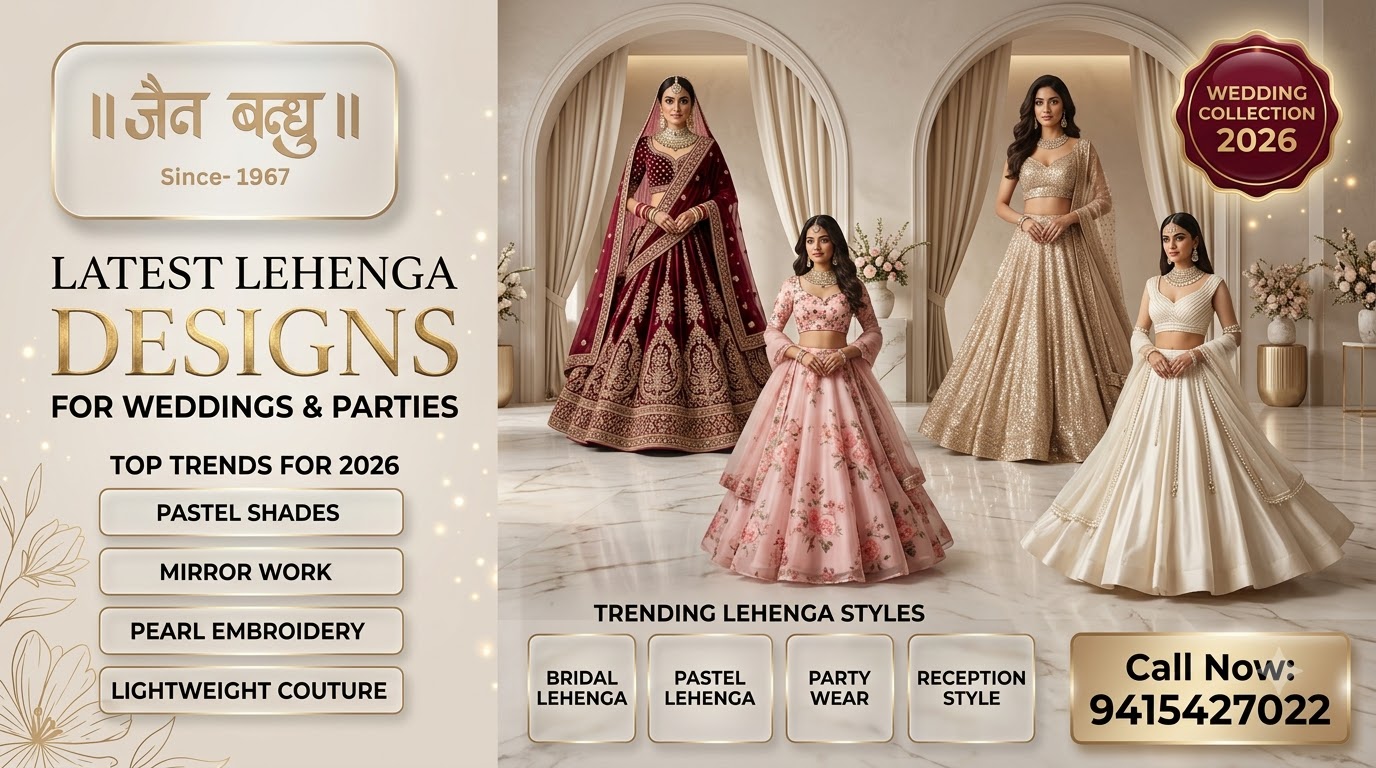
Bridal and party lehenga design shifts every year, shaped by a mix of runway influence, regional craftsmanship, and simple practical demand from brides who want their outfit to feel current without becoming a costume piece. Anyone browsing a Best Lehenga Shop In Lucknow this season will likely notice a handful of design directions repeating across collections, and understanding them can make shopping considerably more focused.
Why Design Trends Are Worth Paying Attention To
Trends aren’t just about looking fashionable for a single event. They also reflect changes in fabric technology, embroidery technique, and how designers are responding to what brides actually want to wear for long, multi-function celebrations. A Lehenga Shop In Lucknow that keeps pace with these shifts typically has a better sense of what’s genuinely available in the market versus what’s simply being marketed heavily online.
Pastel and Muted Tones With Metallic Detailing
Soft sage green, dusty rose, champagne, and powder blue have steadily replaced some of the traditional deep reds and maroons for daytime functions, paired with gold or silver embroidery for contrast. This shift has been building for a few wedding seasons now and shows no sign of reversing, particularly for haldi and mehendi functions where a lighter palette photographs well in natural light.
Structured Cape and Jacket Sets
Layering a structured cape or long jacket over a simpler lehenga base has become one of the more visible design shifts in recent collections. This silhouette offers a contemporary, editorial look while keeping the underlying lehenga relatively lightweight, since the visual drama comes from the outer layer rather than dense embroidery on the skirt itself. A Best Lehenga Showroom In Lucknow stocking this style typically presents it as an option for sangeet or reception functions specifically.
H3: Pre-Draped and Ready-to-Wear Silhouettes
Pre-stitched or pre-draped lehenga dupattas, where the pleats and drape are already fixed in place, have grown in popularity among brides who want a polished look without needing repeated adjustment throughout a long function. This trend reflects a broader shift toward practicality within bridal fashion, prioritising ease of wear alongside visual impact.
H3: Floral and Botanical Embroidery
Moving away from strictly traditional motifs, floral and nature-inspired embroidery patterns have found a strong foothold, particularly for mehendi and sangeet outfits. These designs often use a lighter, more scattered embroidery placement rather than dense, continuous coverage, which keeps the overall look youthful and less formal than a heavily worked bridal piece.
Sequin and Mirror Work Over Traditional Zari
While zardozi and gota patti remain popular for the main wedding day, sequin work and mirror embellishment have become the preferred choice for party and sangeet lehengas specifically. These techniques catch light dramatically under event lighting, making them particularly suited to evening functions, while remaining noticeably lighter than traditional metallic thread work.
Statement Blouses With Simpler Skirts
A design direction gaining traction involves pairing a heavily detailed, statement blouse with a comparatively simpler skirt, inverting the traditional emphasis on skirt embroidery. This approach works particularly well for party wear, where a striking blouse can carry the outfit’s visual interest without the overall look feeling excessive for a shorter, less formal event.
Fusion Silhouettes: Dhoti-Style and Indo-Western Cuts
Dhoti-draped lehenga skirts, asymmetric hemlines, and lehenga-saree hybrid designs continue to appear in contemporary collections, appealing to brides who want a distinctive silhouette that departs from conventional cuts while still remaining recognisably festive. These fusion styles are often chosen for sangeet or cocktail functions rather than the main ceremony, where more traditional silhouettes tend to remain preferred.
What This Means for Local Shoppers
Trend awareness is useful, but it’s worth balancing against what actually suits your body shape, comfort needs, and the specific functions you’re shopping for. A Lehenga Shop Near Me that stocks a genuine mix of trend-forward and classic designs allows for this kind of balanced decision-making, rather than pushing customers toward whatever is currently most heavily marketed.
Seeing Trends Translated Into Wearable Options
Trend photographs from fashion weeks or social media often don’t translate directly into practical, wearable bridal pieces. Fabric weight, embroidery density, and construction quality all affect how a trending design actually performs across a full day of wear. Visiting a showroom in person remains one of the more reliable ways to judge this gap between inspiration image and finished garment.
At Jain Bandhu Saree Showroom, located at Daliganj Bazar, Lucknow, current-season collections are regularly updated to reflect these design directions, alongside a continued range of more classic, timeless options for brides who prefer traditional styling over trend-led choices.
Trends as a Starting Point, Not a Rulebook
The most useful way to approach seasonal lehenga trends is as inspiration rather than obligation. Not every design direction suits every bride, occasion, or budget, and a good shopping experience allows room to blend trend elements with personal preference rather than following the latest look wholesale.
H3: How Trend Cycles Typically Move Through the Market
Design trends in bridal wear generally follow a predictable arc — first appearing at designer showcases and celebrity events, then filtering into premium retail collections, and finally becoming widely available across a broader range of price points within a season or two. Understanding this cycle can help shoppers judge timing: designs that have just started appearing at a Best Lehenga Shop In Lucknow are typically still relatively fresh, while those seen everywhere may be approaching the tail end of their popularity.
Regional Adaptation of National Trends
While national design trends set broad direction, Lucknow’s own textile heritage plays a meaningful role in how these trends get regionally interpreted. Chikankari-inspired detailing, for instance, often gets incorporated into contemporary floral embroidery trends in ways specific to this city’s craftsmanship traditions, distinguishing local collections from how the same broad trend might appear elsewhere in the country.
Balancing Multiple Trends Within One Wardrobe
With several distinct design directions trending simultaneously this season, it’s rarely necessary — or even advisable — to incorporate every trend into a single wedding wardrobe. A more considered approach involves choosing one or two trend elements that genuinely suit your personal style and body shape, rather than attempting to reflect every current direction across your full set of function-specific outfits.
Staying Informed Without Overwhelming the Decision
Trend awareness is genuinely useful for efficient shopping, but it shouldn’t become the sole basis for such a significant purchase. Comfort, budget, and how a design actually suits your proportions should remain the primary decision drivers, with trend relevance serving as a secondary, supporting consideration during the final selection process.
Frequently Asked Questions
Are pastel-toned lehengas suitable for the main wedding ceremony, or only for daytime functions?
While traditionally reserved for haldi and mehendi, pastel lehengas with metallic embroidery are increasingly worn for wedding ceremonies too, especially by brides who prefer a softer overall aesthetic.
What’s the difference between a cape-style lehenga and a traditional dupatta drape?
A cape-style lehenga replaces the dupatta with a structured, often longer jacket-like layer worn over the outfit, offering a more contemporary silhouette compared to a traditionally draped dupatta.
Are trend-forward designs generally more expensive than classic lehenga styles?
Not necessarily. Pricing depends more on embroidery density, fabric quality, and construction than on whether a design follows current trends, so trend-forward options can often be found across a range of budgets.