


Trending Lehenga Designs for Wedding Season and How to Style Them

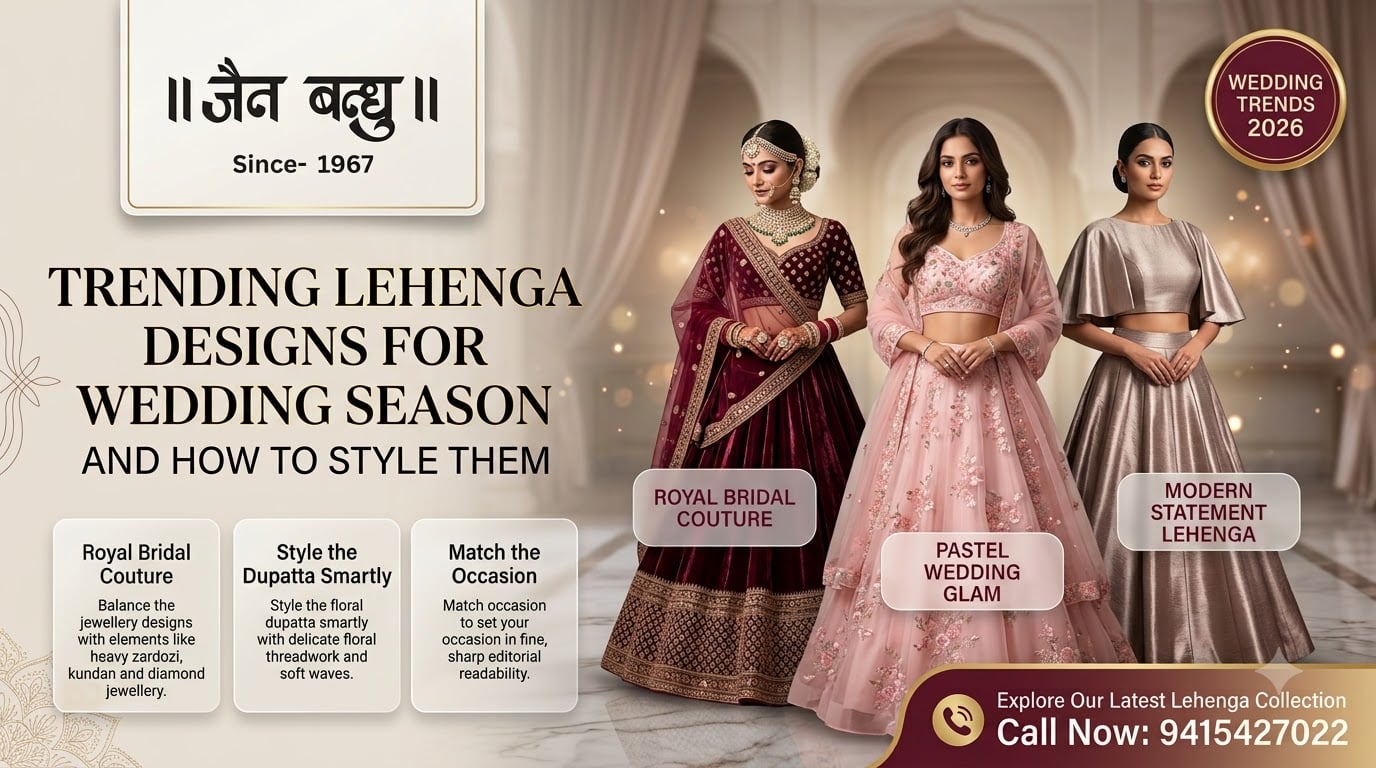
Wedding season shopping has a way of overwhelming even decisive buyers, and lehengas in particular go through noticeable shifts from one year to the next, in fabric, silhouette, and colour. This year’s trends lean toward lighter construction, richer but more wearable colour choices, and blouses that carry as much design weight as the skirt itself. Understanding what is actually changing, rather than shopping on impulse, makes it easier to choose a piece that photographs well and holds up through a long wedding day.
This guide walks through the season’s defining lehenga trends and how to style each one, with practical context for anyone comparing options at a Lehenga Shop In Lucknow ahead of an upcoming wedding or festive event.
Lighter, More Wearable Construction
One of the clearest shifts this wedding season is a move away from extremely heavy bridal lehengas toward pieces that prioritise comfort without sacrificing richness. Traditional bridal lehengas often weighed between 10 and 15 kilograms, largely due to dense embroidery and multiple fabric layers, but many of this season’s designer pieces now come in well under half that weight through smarter construction rather than less detailing. This matters practically, since a bride or guest wearing a lehenga for a full day of ceremonies, photographs, and dancing benefits enormously from a lighter build.
Why This Shift Happened
Designers have responded to a fairly consistent piece of feedback from brides over the past few seasons: that heavy, restrictive lehengas made it difficult to move naturally, dance, or stay comfortable through long events. The result has been a wave of pieces built with structured but lighter fabrics and more thoughtful embroidery placement, concentrated along hems and necklines rather than spread across the entire garment.
Blouses Doing More of the Work
This season, blouse design has become a genuine focal point rather than a secondary element paired with a heavily embellished skirt. Corset-style construction, structured peplum tops, sculptural shoulders, and sheer sleeves with hand embroidery have all become popular choices, particularly for sangeet and reception functions where a more contemporary silhouette feels appropriate.
Balancing Tradition and Trend Through the Blouse
A useful pattern this season is families choosing a relatively traditional, fuller lehenga skirt while pairing it with a more contemporary blouse design, which allows for a modern silhouette without straying from customary expectations around coverage or formality for core ceremonies.
Colour Trends Worth Knowing
While red remains a strong, enduring choice for main wedding ceremonies, this season’s palette has expanded meaningfully. Deep jewel tones like emerald green, sapphire blue, and burgundy have become popular for evening receptions and winter weddings, while dusty rose, lavender, and soft pastel shades are gaining ground for daytime functions and destination weddings. Off-white and ivory lehengas, styled with tonal embroidery rather than heavy contrast work, have also emerged as a genuinely popular choice among modern urban brides.
Ombré and Multi-Tone Effects
Ombré lehengas, which blend two or more shades across the fabric in a gradient effect, have become particularly popular for outdoor and golden-hour ceremonies, where the colour transition catches natural light in a way flat, single-tone fabric cannot replicate.
Fabric Choices Shaping This Season
Organza, tissue, and fine net fabrics have taken over much of the space traditionally held by heavier silk brocade, largely because they photograph beautifully while remaining considerably lighter to wear. For richer, more traditional colour choices like deep red or orange, silk brocade and velvet still hold strong appeal, particularly for main ceremony lehengas where a heavier, more opulent fabric feels appropriate.
Styling These Trends for Different Wedding Functions
Mehendi and Haldi
Lighter fabrics in pastel or bright floral-inspired shades work well for daytime mehendi and haldi functions, where comfort during a long, activity-filled event matters as much as appearance.
Sangeet and Cocktail Events
This is where more experimental silhouettes, like structured peplum blouses or stone and mirror-work embellished pieces, tend to shine, since these events generally allow for a bolder, more fashion-forward choice than the main ceremony.
Main Ceremony and Reception
Traditional colours and richer fabrics remain the norm for the main wedding ceremony, while receptions have increasingly become an opportunity for deep jewel tones or dramatic ombré pieces that photograph well under evening lighting.
Where to See These Trends in Person
Because fabric weight, embroidery quality, and fit are difficult to judge from photographs alone, visiting a Best Lehenga Shop In Lucknow remains the most reliable way to compare this season’s trends before making a decision. Jain Bandhu Saree Showroom In Lucknow, located in Daliganj Bazar, has been updating its lehenga collection to reflect these seasonal shifts, offering a range across colours, fabrics, and blouse styles for buyers comparing options ahead of the wedding season.
Daliganj Bazar’s concentration of established textile retailers also makes it a practical starting point for comparing lehenga options across a few stores within a single visit, rather than relying entirely on online listings that cannot convey drape, weight, or true colour.
How Celebrity Styling Has Influenced This Season
Bridal fashion continues to take visible cues from celebrity weddings and red carpet appearances, with heritage-inspired pieces like hand-painted Kalamkari dupattas and colour choices outside the traditional red-and-gold palette gaining mainstream traction this year. This influence has made buyers more comfortable experimenting with colour and detailing that would have felt unconventional just a few seasons ago.
This kind of visibility also tends to accelerate how quickly a trend moves from runway or red carpet into everyday retail, since buyers arrive at stores with specific reference images in mind rather than vague ideas, which has pushed many retailers to stock a broader range of colours and silhouettes than in previous years.
Stone and Mirror Work: This Season’s Statement Embellishment
Alongside the shift toward lighter construction, stone work and mirror embellishment have become particularly popular for party wear and sangeet-appropriate lehengas this season, with hems and blouses heavily detailed in rhinestones or crystals for a jewelled, light-catching effect. This kind of embellishment tends to suit evening functions especially well, where the detailing catches artificial lighting in a way that reads dramatically in photographs.
A Few Practical Buying Notes
Before settling on a design purely because it is trending, consider the specific function you are dressing for, whether the fabric suits the season and venue, and whether the piece can realistically be restyled or reworn for a different event afterward. A lighter-weight lehenga in a versatile jewel tone or pastel shade tends to offer better long-term value than a highly specific, event-only design.
Frequently Asked Questions
Are lighter-weight lehengas as durable as traditional heavy ones?
Generally yes, when well constructed. The weight reduction usually comes from smarter fabric choices and embroidery placement rather than a reduction in quality, so a lighter lehenga from a reputable seller can hold up just as well over time.
Is it acceptable to wear a pastel or off-white lehenga for the main wedding ceremony?
This depends largely on family and regional custom. While red and traditional colours remain the norm for many core ceremonies, pastel and off-white lehengas have become an accepted, increasingly popular choice among modern urban brides, particularly for registered or intimate ceremonies.
How far in advance should I start shopping for a bridal or wedding-season lehenga?
Most experienced buyers recommend starting at least two to three months ahead, particularly if any customisation, blouse fitting, or embroidery work is needed, since wedding season demand can extend production and alteration timelines.